Deep Infiltrating Endometriosis (DIE) Scans on the Central Coast: What Women Need to Know
For many women, suspected endometriosis can be a long and frustrating experience. Ongoing pelvic pain, heavy or painful periods, discomfort during intercourse, bowel or bladder symptoms, or difficulty conceiving may persist for years. A lot of the time, this is even despite repeated investigations appearing “normal.”
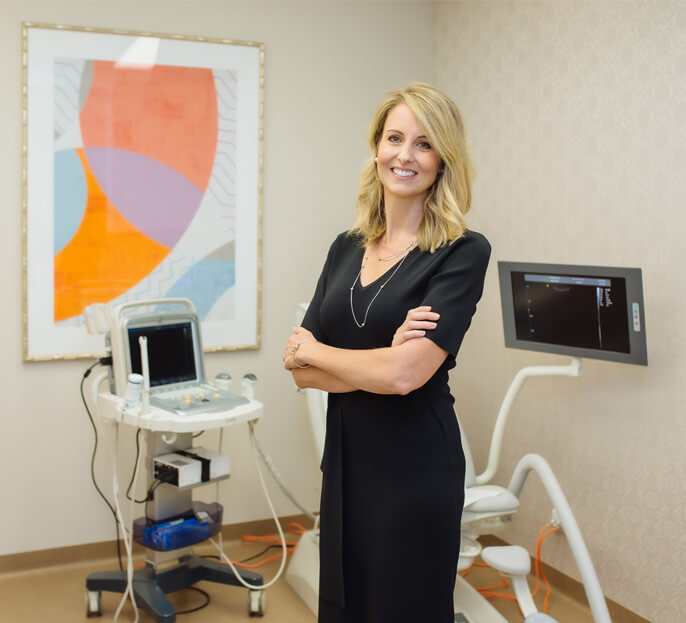
It is not uncommon for women to feel unheard or uncertain when symptoms continue without clear answers. For many, a major hurdle has been accessing the right imaging, performed by clinicians with experience with endometriosis. By using Deep Infiltrating Endometriosis (DIE) scans, Dr Kelly Hankins can accurately map your condition and plan your care.
What is Deep Infiltrating Endometriosis (DIE)?
Deep infiltrating endometriosis is endometriosis that extends deeper than the surface of pelvic tissues. In clinical terms, this usually means the condition penetrates more than 5 millimetres beneath the peritoneal surface.
DIE can involve structures such as:
- The uterosacral ligaments
- The rectovaginal septum
- The bowel or bladder
- The ovaries
- Other pelvic support tissues
Because it is located deeper within the pelvic tissue, DIE is often more complex to identify and may be associated with more significant symptoms. It requires a targeted and specialised imaging technique with a highly detailed assessment.
Why standard ultrasounds may not detect DIE
Routine pelvic ultrasounds are designed to assess general pelvic anatomy. While they are valuable for many conditions, they are not sufficient enough to identify deep or complex endometriosis.
Accurate assessment for DIE requires:
- Advanced ultrasound techniques
- Sonographers trained in endometriosis mapping
- A structured evaluation of specific pelvic compartments
- Specialist interpretation of findings
Without this combination, deeper or more complex forms of endometriosis may not be visible on imaging, even when symptoms are significant, and often leads to delays in diagnosis and treatment planning.
Who may benefit from a DIE scan?
A DIE scan may be worth discussing if you experience:
- Severe or worsening period pain
- Pain during intercourse
- Pain with bowel motions, particularly around menstruation
- Persistent pelvic pain despite previous “normal” imaging results
- Difficulty conceiving with no clear explanation
- Ongoing symptoms following a known diagnosis of endometriosis
Not every woman with these symptoms will require a DIE scan, but they are appropriate to raise during a consultation.
Better access for women on the Central Coast
Until recently, many women on the Central Coast were required to travel to Sydney to access specialised endometriosis imaging. This often added to stress, time off work, travel costs, and delays in care.
Access to subspecialised DIE ultrasound services locally means Central Coast women can now undergo this specialised imaging closer to home. This reduces waiting times and your findings can be shared with your GP to support your ongoing care.
Local care, coordinated support
Having access to advanced women’s imaging on the Central Coast supports:
- Shorter wait times
- Local appointments
- Specialist review
- Clear communication between imaging providers and treating doctors
As a gynaecologist based in Gosford, Dr Kelly Hankins works with local providers to review your scan results alongside your symptoms and medical history. This helps build a more complete picture to determine the right next steps for your treatment.
Why is a detailed report important?
A DIE scan is not just about identifying the presence of endometriosis. High-quality imaging aims to map the location and extent of the condition, which is beneficial for planning the management of your condition.
Detailed reporting may help:
- Guide decisions about surgery
- Identify when multidisciplinary input may be required
- Reduce the risk of incomplete treatment
- Inform fertility discussions
- Support longer-term management strategies
For women considering surgery, accurate pre-operative information can improve planning and help set realistic expectations.
Medicare rebates and DIE scans
Medicare has introduced a specific item number for complex gynaecological ultrasound imaging, which includes DIE scans when criteria is met. With a referral from a GP, eligible patients may receive a Medicare rebate, reducing out-of-pocket costs.
If a referral is not available, the scan can still be performed, but the rebate does not apply. Your doctor or imaging provider can explain eligibility and costs in more detail.
Finally, a step forward in endometriosis care
Awareness of endometriosis has improved significantly, but awareness alone does not lead to better outcomes. Access to appropriate diagnostics is a crucial part of improving care.
For women on the Central Coast, local access to DIE imaging represents an important step forward in assessment, treatment planning, and ongoing support.
If you are experiencing symptoms that concern you, a consultation with a qualified gynaecologist can help determine whether further investigation is appropriate and what options may be available.
Dr Kelly Hankins (MED0001774024) is a FRANZCOG qualified Specialist in Obstetrics and Gynaecology. This article provides general information only and is not a substitute for professional medical advice. All surgery carries risks and results may vary. Consult with Dr Kelly Hankins to determine a personalised treatment plan to help you make an informed decision.