Fibroid Removal Surgery (Myomectomy) and Recovery
Uterine fibroids are common, non-cancerous growths that develop in or around the uterus. Fibroids may not cause symptoms and or need treatment but can also contribute to heavy periods, pelvic pain, pressure, bloating, bladder or bowel symptoms, or fertility concerns.
If symptoms are ongoing and medication or other measures are no longer helping enough, surgery may be discussed. One option is myomectomy, which is a procedure used to remove fibroids and keep the uterus in place.
For women in Gosford and across the Central Coast, Dr Kelly Hankins provides assessment and surgical care for a range of gynaecological conditions, including fibroids, heavy bleeding and pelvic pain.
About Fibroids
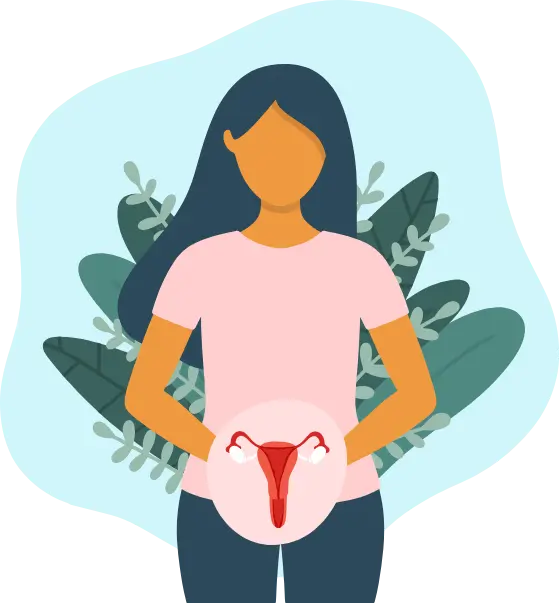
Fibroids are non-cancerous growths that develop in or around the uterus. They are very common, especially during the reproductive years, and many women will have fibroids without knowing they are there.
Fibroids can vary in size, number and position. Fibroids that grow inside the uterine cavity may be more likely to cause heavy bleeding or fertility issues. Fibroids in the wall of the uterus or on the outer surface may be linked with pressure, pelvic discomfort or changes in abdominal shape.
Not all fibroids need treatment. If symptoms are affecting your day-to-day life, or medication is no longer helping enough, a gynaecology specialist such as Dr Kelly Hankins, can assess the type of fibroid and talk through any suitable treatment options.
What is a Myomectomy?
A myomectomy is surgery to remove uterine fibroids without removing the uterus. It may be discussed for women who:
- Symptoms affect lifestyle
- Want to keep their uterus
- Have heavy bleeding, pain or pressure linked to fibroids
- Are planning a future pregnancy
- Are not ready to consider hysterectomy
- Have fibroids affecting the uterine cavity
The type of surgery recommended depends on the size, number and position of the fibroids, as well as your symptoms, health history and pregnancy plans.
About Fibroids
Fibroids are non-cancerous growths that develop in or around the uterus. They are very common, especially during the reproductive years, and many women will have fibroids without knowing they are there.
Fibroids can vary in size, number and position. Fibroids that grow inside the uterine cavity may be more likely to cause heavy bleeding or fertility issues. Fibroids in the wall of the uterus or on the outer surface may be linked with pressure, pelvic discomfort or changes in abdominal shape.
Not all fibroids need treatment. If symptoms are affecting your day-to-day life, or medication is no longer helping enough, a gynaecology specialist such as Dr Kelly Hankins, can assess the type of fibroid and talk through any suitable treatment options.
What is a Myomectomy?
A myomectomy is surgery to remove uterine fibroids without removing the uterus. It may be discussed for women who:
- Symptoms affect lifestyle
- Want to keep their uterus
- Have heavy bleeding, pain or pressure linked to fibroids
- Are planning a future pregnancy
- Are not ready to consider hysterectomy
- Have fibroids affecting the uterine cavity
The type of surgery recommended depends on the size, number and position of the fibroids, as well as your symptoms, health history and pregnancy plans.
The Types of Myomectomies
Myomectomy Recovery
Recovery after myomectomy is different for each woman. It depends on the type of surgery, the number of fibroids removed and your general health, but as a general guide:
- Hysteroscopic myomectomy usually has the shortest recovery, typically 1-2 weeks
- Laparoscopic or robotic-assisted myomectomy may involve 3-4 weeks of reduced activity
- Open myomectomy usually needs a longer recovery period and can depend on how the individual’s body is responding
Most women can expect some cramping, tiredness, light bleeding or abdominal discomfort during the early healing stage. You will need to avoid heavy lifting, intense exercise and intercourse for a period of time after surgery to support your recovery.
Dr Hankins will provide more specific instructions based on the procedure performed and your individual recovery progress.
Fertility and pregnancy planning
Myomectomy may be considered when fibroids are affecting fertility, pregnancy planning or the shape of the uterine cavity.
Not all fibroids affect fertility. Pregnancy after myomectomy depends on many things, including age, ovarian reserve, other reproductive health issues and the type of fibroid removed.
After surgery, you may be advised to wait before trying to conceive. In some cases, a caesarean birth may be recommended in a future pregnancy, depending on the depth and location of the uterine repair.
Risks and limitations
All surgeries carry risks and Dr Kelly Hankins will walk you through these on consultation if myomectomy is a suitable option for you. These might include:
- Bleeding
- Infection
- Scar tissue
- Injury to nearby organs
- Fibroid recurrence
- Need for further treatment
- Possible conversion to open surgery during a minimally invasive procedure
Myomectomy can assist with fibroid-related symptoms for many women, but it does not prevent new fibroids from developing. Results and recovery vary on the individual.
Do I need a referral?
You do not need a referral to book a consultation with Dr Kelly Hankins. A GP referral is recommended though, as it helps you access Medicare rebates for eligible specialist appointments.
A referral is also helpful if your GP has already arranged an ultrasound, blood tests or other investigations. This gives Dr Hankins more information to review during your appointment and can help guide the discussion about fibroid treatment options, including medication, hysteroscopy, myomectomy or other surgical care that could be available.
Speak with your GP about your symptoms and ask for a referral to a gynaecologist such as Dr Kelly Hankins for consultation.
Consultation with Dr Kelly Hankins
A consultation with Dr Kelly Hankins allows you to review your options, ask questions and make a decision based on your health needs and personal goals.
Dr Kelly Hankins consults in Gosford and provides gynaecology care for women across the Central Coast and surrounding areas.
References:
Mayo Clinic. (2023). Uterine Fibroids. mayoclinic.org. https://www.mayoclinic.org/diseases-conditions/uterine-fibroids/symptoms-causes/syc-20354288
Healthdirect Australia. (2026). Fibroids and fertility. pregnancybirthbaby.org.au. https://www.pregnancybirthbaby.org.au/fibroids-and-fertility
Fibroid Treatment Collaborative. (2026). Fibroid Treatments. https://www.fibroid.com/treatments/