When Are Heavy Periods a Concern?
Every woman's period is different and with such a wide range of “normal” it can be difficult to know when heavy periods need medical attention or specialist review.
Heavy menstrual bleeding is common, but it should not interfere with your ability to work, exercise, sleep or enjoy daily life.
Dr Kelly Hankins is a Specialist Gynaecologist with over 15 years' experience in women's health, with consultations available for women across the Central Coast.
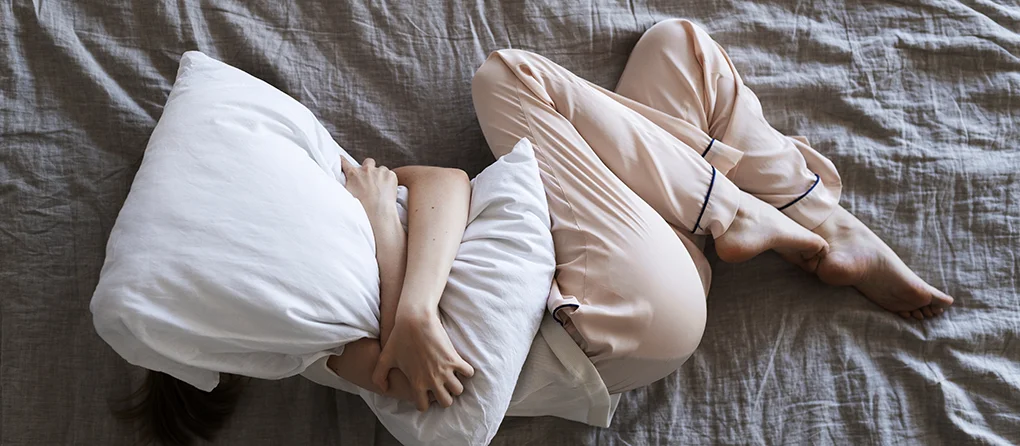
What counts as a heavy period?
Heavy menstrual bleeding, also called menorrhagia, is menstrual blood loss that interferes with your physical, emotional or social wellbeing. Your period is considered heavy if you:
- Bleed for more than 8 days
- Soak through pads or tampons every 1 to 2 hours
- Need to use double protection
- Wake overnight to change sanitary products
- Pass clots larger than a 50-cent coin
- Leak through clothes or bedding
- Avoid work, school, exercise or social plans because of bleeding
- Feel exhausted, dizzy or short of breath during your period
You do not need to measure how much blood you lose. If you're organising your day around access to a bathroom, carrying spare clothes or regularly missing activities, the impact on your life is reason enough.
Are period clots normal?
Small blood clots can occur during menstruation, especially on heavier days. Larger or frequent clots, especially those accompanied by flooding, severe pain or prolonged bleeding, deserve to be discussed with a specialist.
Passing large clots can be a sign of heavy menstrual bleeding and can occur with conditions affecting the uterus, including fibroids, adenomyosis or endometrial polyps.
What causes heavy periods?
Heavy periods can develop for several reasons, including hormonal changes during adolescence and perimenopause. Underlying genealogical conditions can contribute to heavy menstrual bleeding, such as uterine fibroids, adenomyosis, endometriosis, endometrial polyps, thyroid disorders and conditions affecting blood clotting.
Medications, including blood thinners and certain contraceptive devices such as copper intrauterine devices may also increase menstrual bleeding.
Dr Kelly Hankins advises that changes in menstrual bleeding should be assessed, especially if periods have become progressively heavier, more painful or longer than usual. Identifying the cause helps guide treatment and assess if further investigation is needed.
Heavy periods and iron deficiency
Heavy menstrual bleeding is a common cause of iron deficiency and anaemia in women.
Losing significant amounts of blood each month can reduce your body's iron stores and red blood cell levels. This can leave you feeling exhausted even after a full night's sleep, struggling to concentrate at work or feeling breathless during activities that would not usually be difficult. Other signs include dizziness, headaches, weakness, pale skin and noticeable heartbeats.
If you're experiencing heavy periods, your GP may recommend blood tests to check your iron levels and haemoglobin. Iron deficiency can be treated, but addressing the cause of ongoing blood loss is equally important.
When to see a gynaecologist
If your periods are getting heavier, lasting longer, becoming more painful or interfering with normal activities, speak with your GP about a referral. Bleeding between periods, bleeding after sex or a sudden change in your usual menstrual pattern also needs assessment.
Heavy bleeding is not something you should have to push through each month. There are investigations and treatment options that can help address the underlying cause.
How are heavy periods investigated?
Your GP or gynaecologist will usually begin by discussing your menstrual cycle, bleeding patterns, symptoms, medications and medical history.
Investigations may include blood tests to check iron levels and anaemia, pregnancy testing where relevant, or pelvic ultrasound to look for conditions such as fibroids, polyps or adenomyosis.
If further assessment is needed, Dr Kelly Hankins may recommend a hysteroscopy, which uses a small camera passed through the cervix to examine the inside of the uterus. An endometrial biopsy might be recommended to investigate changes to the uterine lining.
Heavy period treatment options
Treatment is based on the cause of your bleeding, your symptoms, medical history and future fertility plans.
Non-hormonal medications can reduce menstrual blood loss and help manage period pain. Hormonal treatments, including a hormone-releasing intrauterine device, may also reduce bleeding.
If a uterine polyp or fibroid is contributing to bleeding, hysteroscopic removal will likely be discussed. Surgical options such as endometrial ablation or hysterectomy, may be considered if medical treatments have not provided sufficient relief or an underlying condition requires surgery.
Dr Kelly Hankins will explain the benefits, risks and alternatives of treatment, taking into account your symptoms and reproductive health needs.
Heavy period care North Gosford
Dr Kelly Hankins provides specialist gynaecological care for women experiencing heavy periods, prolonged bleeding, painful periods and other menstrual disorders on the Central Coast.
If your periods are affecting your work, sleep, energy or daily life, speak with your GP about a referral to Dr Kelly Hankins in North Gosford.
References
Jean Hailes for Women's Health. (n.d.). Heavy periods (menorrhagia). https://www.jeanhailes.org.au/health-topics/periods/heavy-periods/
The Royal Women's Hospital. (n.d.). What is a heavy period? https://www.thewomens.org.au/health-information/periods/heavy-periods/heavy-period-explained
*Dr Kelly Hankins (MED0001774024) is a FRANZCOG qualified Specialist in Obstetrics and Gynaecology. This article provides general information only and is not a substitute for professional medical advice. All surgery carries risks and results may vary. Consult with Dr Kelly Hankins to determine a personalised treatment plan and support an informed decision-making process.